By Heidi Rader
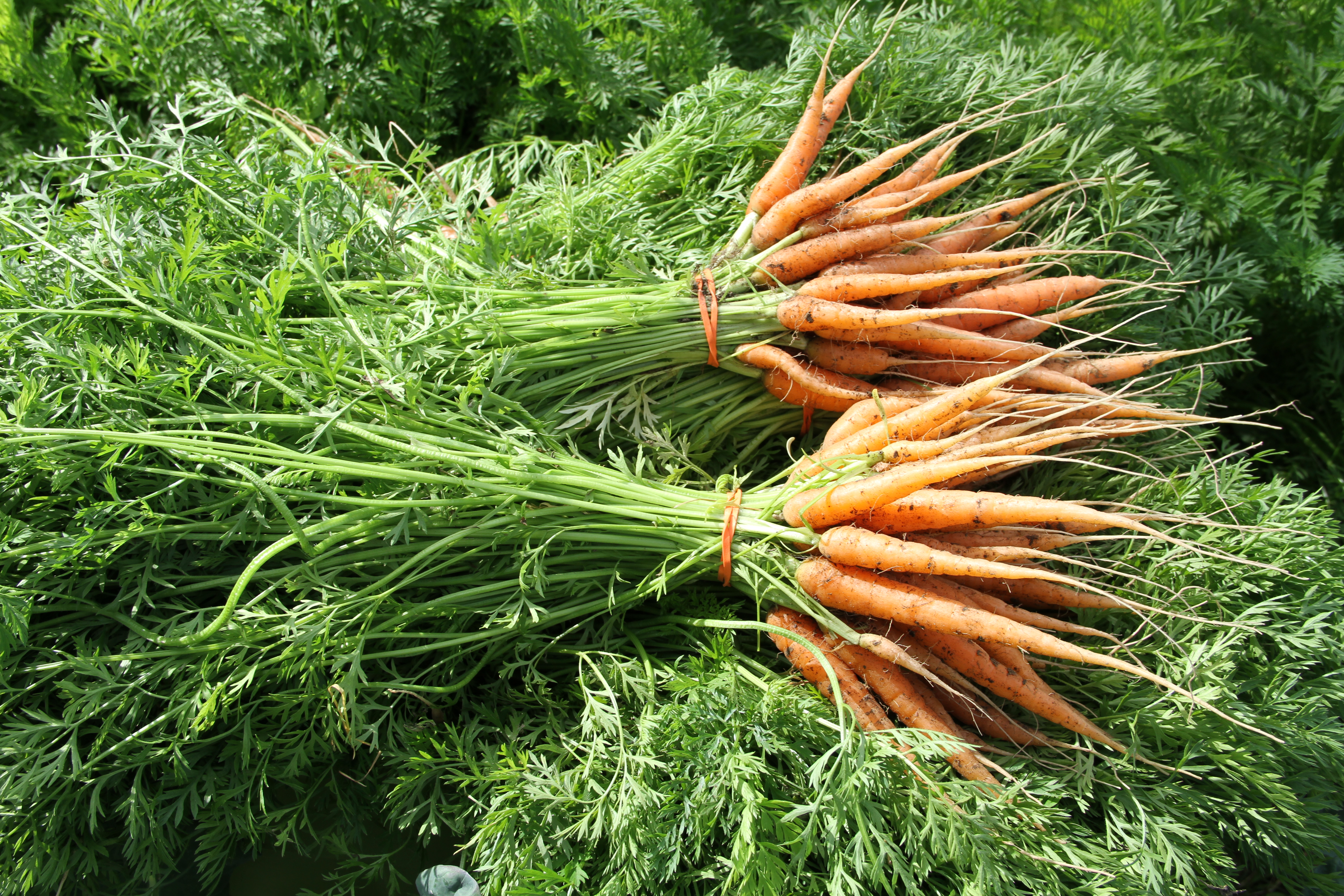
Carrots, especially fresh Alaska grown carrots, are unmatched in taste and texture. A favorite of kids and adults alike, they’re excellent raw, in soups or stews, roasted or even fermented. Carrot tops can also be eaten. I like to use them to make broth, juice and pesto.
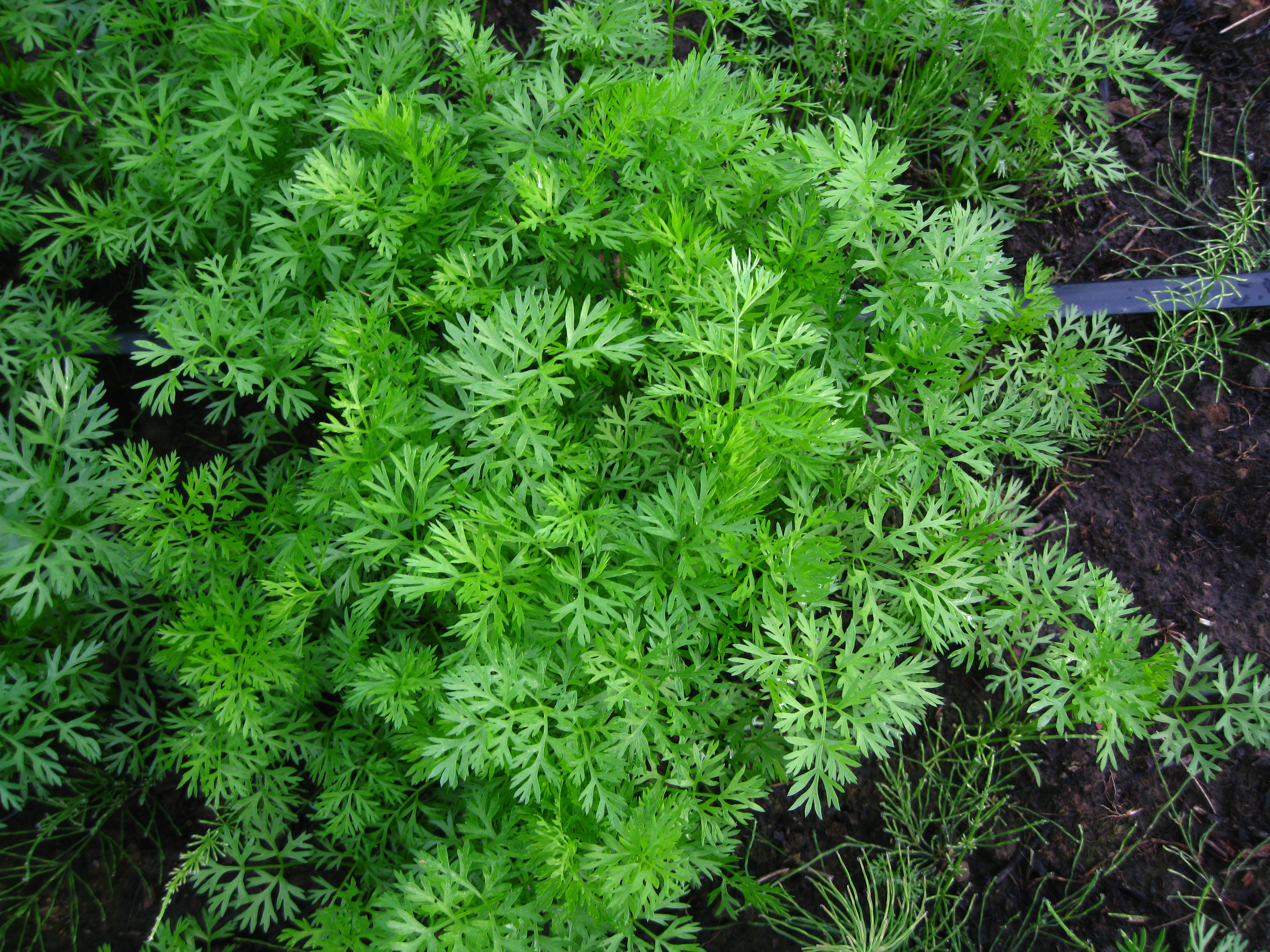
With proper thinning and well-drained, loose soil, carrots thrive in Alaska. The biggest challenge with growing them is probably getting the spacing right and keeping them weeded. Carrot seeds are tiny so you almost always have to thin after they emerge. Some people like to use seed tape or a seeder and pelleted seeds to get their spacing just right — or even a paper pot transplanter. But if you don’t plant thickly enough and you have poor germination rates, you’ll also have low yields.
Germination can also take quite a few days, about two weeks, and longer in cooler soils. During this time, you have to ensure the seeds stay consistently moist. I like to cover the seeds with frost cloth to hold the moisture in and provide some extra warmth. I learned this trick from a farmer in Homer. Unfortunately, while your carrots take their sweet time to emerge, weeds are eager to grow and soak up the water and nutrients intended for your carrots.
We’ve trialed carrot varieties at the Fairbanks Experiment Farm since 2017. Top performers included Napoli, Bolero, Scarlet Nantes, Nantes Half Long and Napa. Sugarsnax 54 and Yaya performed worst in our trials.
Bolero was not only the top-yielding variety in 2019 but also the best carrot for storage in a root cellar. You can store carrots in a root cellar with a temperature between 32 to 40 degrees and a relative humidity between 90 to 95 percent. Leave a ½-inch stem and store the carrots in sawdust, sand or peat moss to help keep them moist.
Nelson was a long-time Alaska favorite but unfortunately is no longer widely available. Yaya was supposed to be somewhat of a replacement but in trials in Fairbanks just didn’t perform very well. Variety trials are important as available seed varieties are constantly changing and perform very differently where they are bred and tested than in Alaska.
You can also grow white, yellow, red and purple carrots. Purple carrots in particular provide some extra nutrition via anthocyanin and provide an exotic addition to any dish. However, we’ve only grown orange carrots in recent trials.
Carrots should be planted early in the spring when the soil warms to at least 50 degrees. Plant seeds ½ inch deep in five rows, 6 inches apart to maximize production. Thin to 1¼ inches apart.
Harvest carrots when their tops are visible and you can tell that they are a decent size.
While carrots can be a little finicky, I think we can all agree they are worth the effort.
For more information on growing carrots in Alaska, go to bit.ly/3iaBrgk but note it is particularly useful for commercial growers. To see the full results of variety trials at the Fairbanks Experiment Farm, go to bit.ly/3id5FiS.
Heidi Rader is a tribes Extension educator for the University of Alaska Fairbanks Cooperative Extension Service and the Tanana Chiefs Conference. For gardening questions, please email ianre-comm@alaska.edu or submit your question to www.uaf.edu/ces/askanexpert.
