By Leslie Shallcross
A recently described dietary pattern, the Mediterranean Intervention for Neurodegenerative Delay or the MIND Diet, is increasingly supported by research as a key in preventing or delaying cognitive decline and dementia. As the name implies, the foods recommended in this plan appear to support brain health.
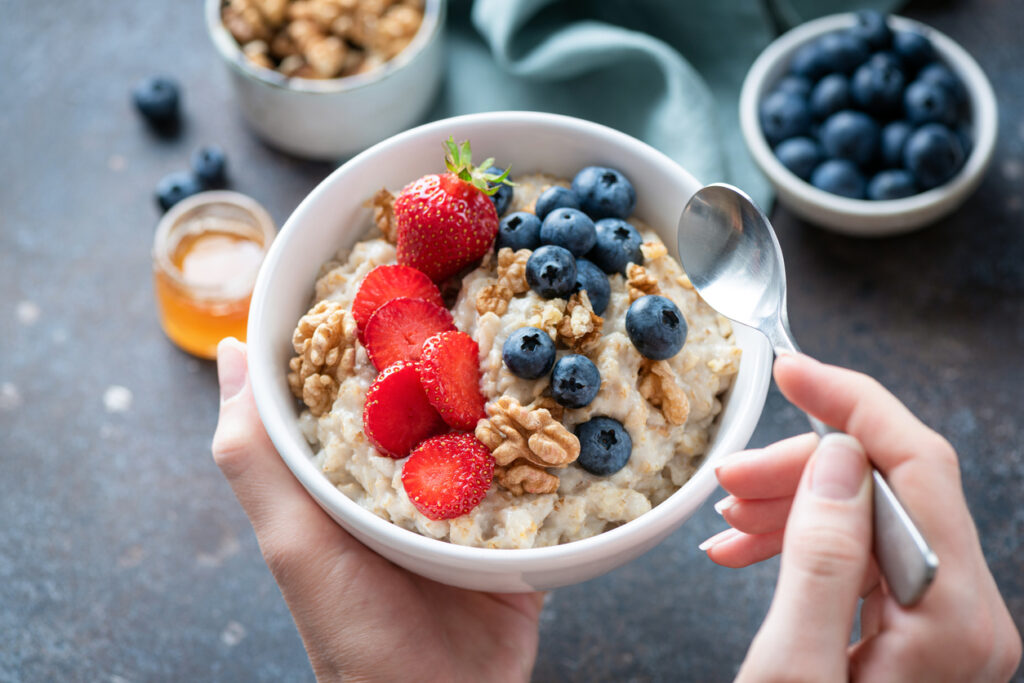
The food components of the plan will sound familiar and are not too hard to follow: twice per week have berries, fatty fish and poultry (not fried); six servings of dark green leafy and any other non-starchy vegetables; five servings of nuts and four servings of beans weekly; at least three servings of whole grains daily; and use olive oil as your primary added fat. There are no specific recommendations for fruit in the pattern except berries.
Some foods should also be limited for best health. Try to limit your intake of no more than one tablespoon of butter or margarine daily, no more than three servings of red meat weekly, no more than one serving of cheese or fried food, and no more than four servings of sweets or pastries.
Multiple studies on the MIND pattern have shown that individuals whose food intake most closely follow the diet’s recommendations have better brain function and reduced risks of developing dementia. These effects have been demonstrated even when individuals started the pattern at age 65.
With our currently smoky conditions and new studies showing that breathing wildfire smoke significantly raises dementia risk, I hope that Alaska berries can come to the rescue. I am increasing my intake of berries to help keep my brain’s neurons and blood vessels healthy.
Nearly all berries contain nutrients and a variety of compounds, presumed to have beneficial effects on brain and cardiovascular health and promote healthy aging. Berry compounds can decrease blood pressure, reduce inflammation, lower post-meal blood sugar and blood cholesterol levels. All these effects can ultimately help the brain and are likely to be associated with powerful antioxidant, anti-inflammatory effects of numerous berry compounds.
Before the development of the MIND diet, other evidence from human research concluded that children and older individuals consuming strawberries or blueberries improved in several measures of memory and cognitive function. Research at Rutgers University showed improved blood flow in the brain and improved attention and memory in seniors. Deep blue Haskap berry consumption can improve the blood vessel lining in several ways, improve recovery from exertion and reduce inflammation.
Published in 2006, research done with Alaska berries showed that wild Alaska berries were much higher in antioxidants than those from the Lower 48. Even frozen, dried or heated berry products like fruit leather, sauces, juices, syrups or jams still maintain a relatively high level of the beneficial compounds. Lingonberries, highbush cranberries, blue huckleberry and other blueberries top the list in antioxidant effects.
Alaska is home to 75 species of berries, including blueberries, crowberries, cloudberries, lingonberries, raspberries, currants and salmonberries. Many Alaska families make berry harvesting a not-to-missed summer activity, with plans for a year’s worth of jam, jelly, pies, berry crisps and fruit smoothies.
The MIND Diet recognizes that berries convey benefits beyond just vitamins and minerals. My raspberries, red currant bush, and wild roses are all loaded with unripe fruit, and I am eagerly waiting to include them in my menus. Whether you pick local berries or purchase them fresh, frozen, dried or canned, start planning to protect your brain power with at least two servings of berries per week.
Leslie Shallcross is a registered dietitian and the Tanana District health, home and family development agent for Cooperative Extension Service, a part of the University of Alaska Fairbanks, working in cooperation with the U.S. Department of Agriculture. She can be reached at 907-474-2426 or lashallcross@alaska.edu.
