By Reina Hasting
There’s so much to be grateful for, and if we find ourselves sad from time to time, that is just us being human. There is no right or wrong way to feel, so long as we are not harming ourselves or others.
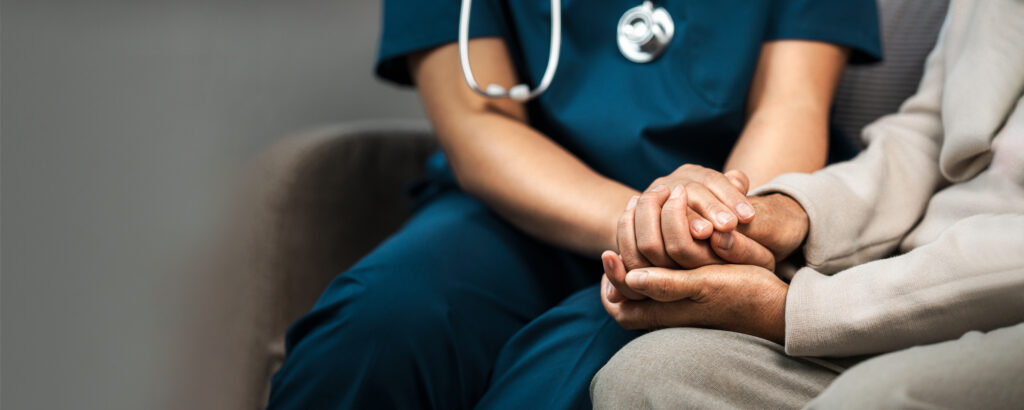
While Mental Health Awareness Month may have ended, it’s essential to remember that many people continue to face mental health challenges and illnesses. Mental health encompasses our emotional, psychological, and social well-being. It involves recognizing our strengths, managing the everyday stresses of life, working productively, and contributing to our communities.
Many of us have mental health challenges, just dealing with the daily stressors of life. Daily events, especially unexpected ones, can cause us to become overwhelmed, anxious, stressed, depressed and/or hopeless.
It’s important to recognize when change interferes with our ability to live life. This is when our mental health challenge does not go away quickly, lasting longer than typical emotions or reactions usually do.
Ignoring a persistent physical health issue and leaving it untreated can lead to a more serious illness. The same applies to mental health. If we allow mental health challenges to persist without addressing them, they can develop into more severe mental illnesses. According to the National Institute of Mental Health, nearly 1 in 5 people in the United States experience a mental health condition. Early intervention is crucial for achieving a more positive outcome in terms of health and wellness.
Nearly half of all adults in the United States will face a mental health challenge at some point in their lives. However, more than 40 percent of them will not seek help or treatment. Without appropriate care, mental health disorders can worsen and negatively affect a person’s life, including their physical health.
People do not seek help for themselves or their family for many reasons. Barriers include cost, lack of transportation, lack of insurance or understanding of insurance. Myths and misunderstandings about mental illness can lead to ignoring symptoms, such as believing that willpower alone is sufficient to overcome them.
Culture has a significant impact on health as a whole. Cultural beliefs shape our daily health decisions. Various cultures possess distinct norms that affect perceptions of mental health and treatment approaches.
Stigma, including negative attitudes toward people with mental health or substance abuse challenges, makes it hard for people to talk about their mental health challenges. Because of stigmas, people with mental health disorders may be excluded from jobs, housing, social activities and relationships. It can lead people to hide their issues and delay seeking help.
I now realize how much my upbringing and culture impacted my view on mental health. It was a stigma to talk about when I was younger. Teachers did not teach about mental health. Faith leaders struggled to talk about it. Doctors never mentioned it at health check-ups, and I certainly was not aware that seeing a therapist could be an option.
If it weren’t for my life experience, education and training on the subject matter, I would not have the same awareness I have now. Mental health is just as important as physical health, and together, they contribute to our overall health and well-being.
One consistent message that has stuck in my head is that we must bring the subject of suicide and mental health out of the shadows. One in five Americans struggles with a mental health challenge, making this issue common within our community. By increasing our understanding of mental health, we can become better neighbors and make a positive difference.
Here are some resources to check out:
• Just as people who know CPR do not need to be medical professionals to save lives, those who learn QPR or Mental Health First Aid don’t need to be psychiatrists, psychologists or social workers to help save lives. You can learn more about becoming certified in Mental Health First Aid at www.mentalhealthfirstaid.org or in QPR at www.qprinstitute.com
• 988 Suicide & Crisis Lifeline: Provides free, confidential support 24/7 for individuals in distress. You can call or text 988 or chat at 988lifeline.org. TTY users, use your preferred relay service or dial 711, then 988
• 988 Frequently Asked Questions, www.samhsa.gov/mental-health/988/faqs
• 988 Fact Sheet, www.samhsa.gov/sites/default/files/988-factsheet.pdf
• If you are feeling hopeless or having thoughts of self-harm or suicide, reach out for help right away. Call the Alaska Careline at 877-266-4357 or text 4help to 839863. Or call the National Suicide Prevention Lifeline at 800-273-8255, carelinealaska.com
• National Institute of Mental Health, www.nimh.nih.gov/health/statistics/mental-illness
• CDC Mental Health, www.cdc.gov/mental-health/index.html
• National Alliance on Mental Health illness, nami.org/About-Mental-Illness
• Mental Health Self-Help Tools, www.mhanational.org/self-help-tools
Reina Hasting is the program manager of the Supplemental Nutrition Assistance Program Education (SNAP-Ed), administered by the University of Alaska Fairbanks Cooperative Extension Service in cooperation with the USDA. Contact her at rhhasting@alaska.edu or 907-474-2437.
