By Leslie Shallcross
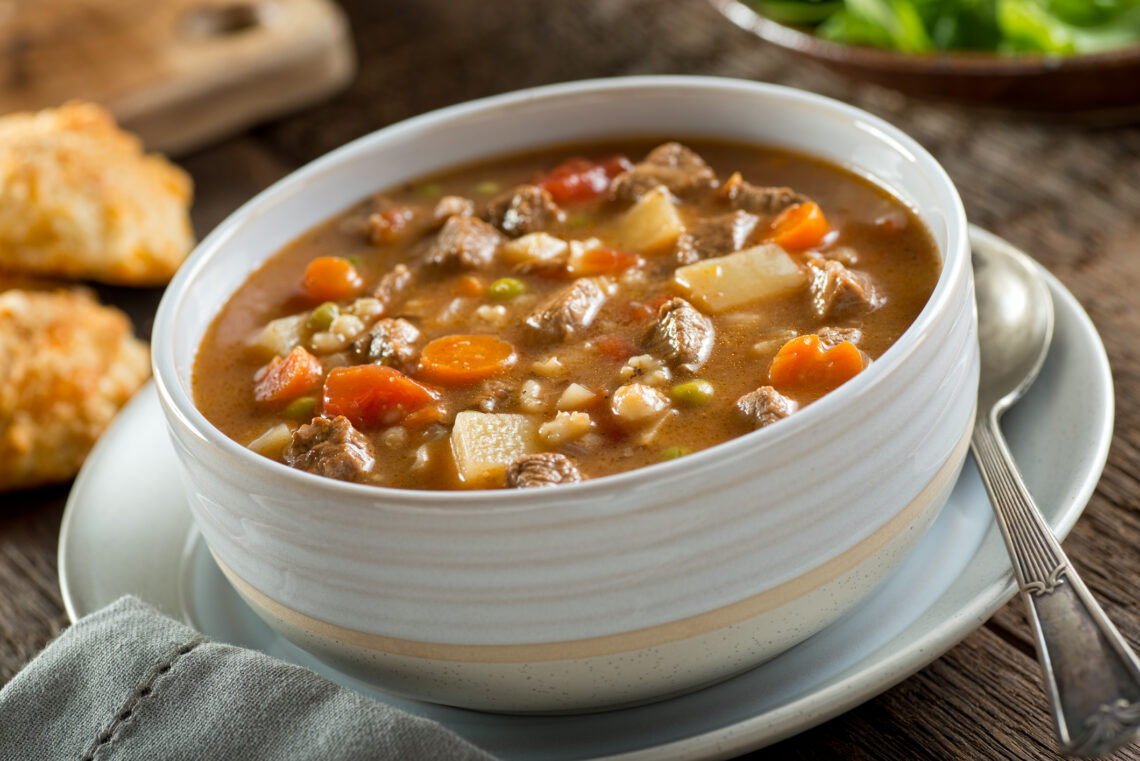
A fragrant bowl of warm, homemade soup is the perfect meal on an Alaska winter night.
Packed with nutrients and flavor, easy to prepare and preserve, warm and comforting — soups have it all. If you use the weekend to prepare a pot of soup for later in the week, you can put a meal on the table in minutes by adding a thick slice of bread or biscuits and a salad to your warmed soup. Using one of the hundreds of published recipes as inspiration, try the “kitchen sink” soup approach by adapting the recipe to the ingredients that you have on hand.
Making a kitchen sink type of soup is a great way to use leftovers or “planned-overs” and avoid having vegetables, meats and poultry go to waste. I recently took my excess Thanksgiving turkey and cooked it with carrots, celery, onion, garlic and broth. I added the same seasonings I used on my holiday turkey. As the aromas filled the kitchen, I got to enjoy Thanksgiving again and was even able to put some soup in the freezer for later this winter.
Getting the most nutrients out of your soup means choosing high-nutrient ingredients such as deeply colored vegetables: acorn squash, carrots, sweet potatoes, beets, purple or white potatoes, peas, hot or sweet peppers, tomatoes, broccoli, spinach, kale and green beans. For extra flavor, add some celery, onions and garlic. Combine any of these with low-sodium broth or water and some lean meat, poultry or ham, and you’ve got a wholesome soup. Seasonings can be adjusted to your family’s preferences. They can be fresh or dried — salt, pepper, thyme, dill, oregano, parsley, cilantro, basil, rosemary, five-spice powder, soy sauce, garam masala, curry powder, etc.
If you are looking for low-cost, high-nutrient-value ingredients, don’t forget about rehydrated black, kidney or pinto beans, chickpeas, split peas and lentils. These provide fiber, vitamins, minerals and protein and are the basis for many classic, well-loved soups, such as minestrone, black bean, split pea and ham, and lentil with sausage.
Additional embellishments to thicken soups can include noodles, rice, mashed beans, pureed squash, potatoes, carrots, tomato paste or white sauce. Cheese, sour cream, salsa, lime or lemon juice can heighten the flavor.
If your “kitchen sink” soup becomes a bigger pot than you can eat and you need to preserve it, freezing is your best bet, especially for any soup that contains dairy or thickening ingredients. Be sure to use freezer-safe containers and leave room at the top for expansion as your soup freezes. Here are some tips for freezing from Penn State Extension:
• Using a modified starch suitable for low temperatures, such as ThermFlo, will help prevent the separation of a thickened soup.
• Soups made from fall vegetables such as pumpkin, butternut squash, cauliflower and broccoli are flavorful when frozen.
• It is safe to freeze vegetable and meat soups containing pasta, rice, or noodles. However, the starch in these products may become soft during freezer storage.
• Allow time for frozen soup to thaw in the refrigerator. Foods defrosted in the microwave oven should be heated and eaten immediately.
Canning your soup is another way to preserve it, but this requires some planning and special methods to make it safe. You must use a pressure canner when preserving low-acid ingredients such as meats, wild game, poultry, fish and vegetables.
• Vegetable soups with a broth base may be safely canned using the processing time for the vegetable that takes the longest to process as an individual ingredient. For processing times, refer to the website nchfp.uga.edu.
• Most soups, depending on jar size and ingredients, will take 60 to 100 minutes to process in a pressure canner.
• Never can soup in half-gallon containers.
• For vegetable soup, fill the jars half full of solids, add broth, allowing 1-inch headspace and process in a pressure canner. There must be space between the food particles for the hot liquid to circulate.
• Pieces of cooked beef, poultry, moose, caribou or fish can be added to the vegetables. Pints of soup containing seafood must be processed for 100 minutes at 11 pounds of pressure on a dial OR 10 pounds of pressure with a weighted gauge.
• Thickened or creamed tomato soup should not be canned. Instead, can the tomato juice, tomato-vegetable juice blend, or crushed tomatoes (without added vegetables). When making the soup, open the jarred tomato product and add the desired seasoning vegetables or thickeners. A good cream of tomato soup is made by pouring the heated tomato mixture into a heated white sauce.
January is Soup Month, and you don’t want to be caught without your own cauldron of steaming sustenance! For more information and ideas for making or preserving soups, contact Leslie Shallcross in the Tanana District Office of the Cooperative Extension Service at lashallcross@alaska.edu or 907-474-2426.
