By Art Nash
As large as Alaska is, for regional energy independence it often depends on the quantity of nearby fuels and the scale of electricity or heat that is needed.
Southeast Alaska has historically had cheap electricity generated from tapping plentiful local rivers to create hydropower. Even in the shadow of oil being extracted from the North Slope and the pipeline, Anchorage has over the past half-century had some of the lowest-priced power in the country due to the adjacent Cook Inlet natural gas reserves.
Utqiagvik, on the North Slope, has used cheap, close-by natural gas. And remote villages such as Kongiganak can use the local wind for much of their local heat and power needs.
Off the road system, however, many of Alaska’s communities without nearby wind, gas, and hydro have been dependent on when barge shipments can make it through bad weather, ice formation or the timing of breakup to get fuel oil for generating somewhat expensive electricity. In some villages, only expensive cargo flights can deliver the liquid fuel.
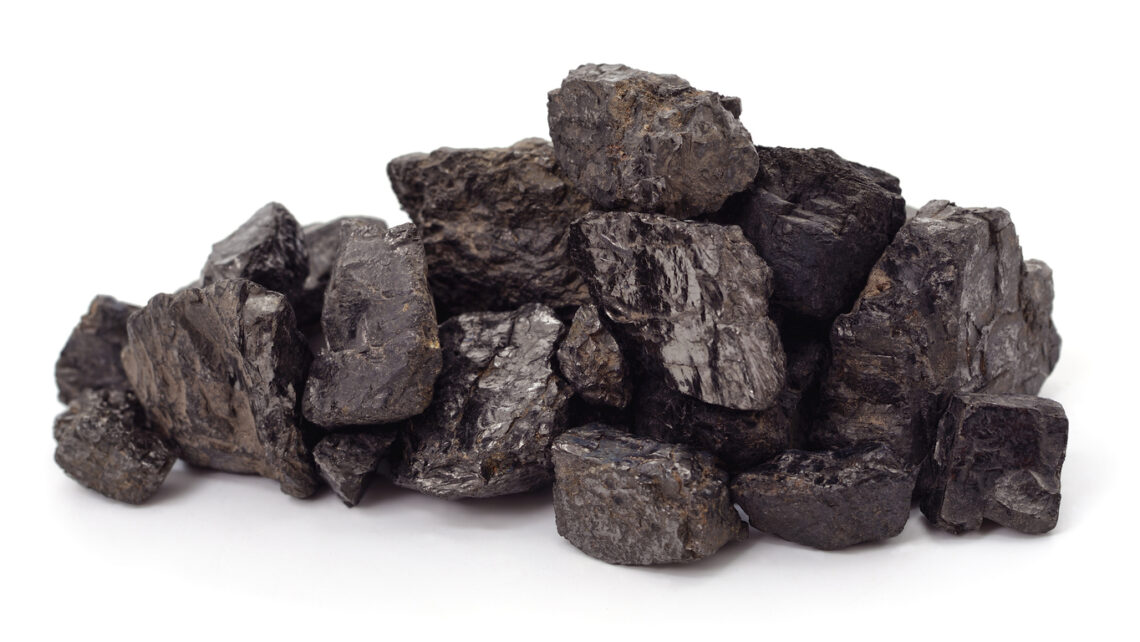
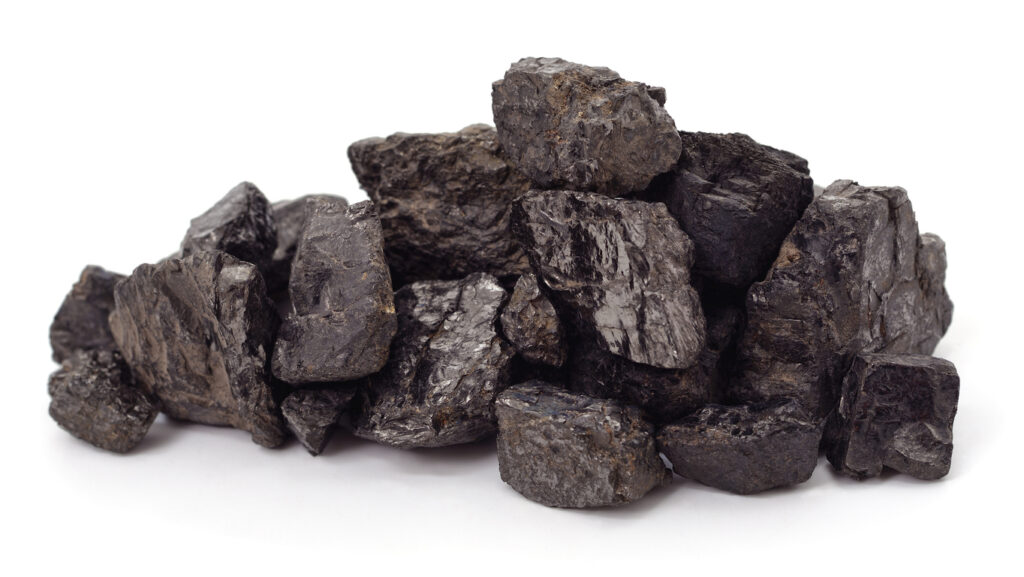
Yet there is another resource that many remote communities have under or very near their homes: coal. Over four dozen communities off the road system rest on or are next to shallow subsurface deposits that can be extracted at a small scale for local use.
In the mid-’90s, I was amazed while sitting down with maps rolled out by aging Mat-Su Colony families that showed the crucial role the Jonesville coal fields near Sutton played in developing that area prior to statehood. Coal wasn’t only used for community heat and power but also for transportation as the train line down to Seward utilized it.
In Alaska energy history, during the latter nineteenth century, coal mining was big business on the Kenai Peninsula prior to gold miners passing through. Naval ships also utilized coal up to World War I.
In Palmer and Fairbanks, some older homes with daylight basements still have an antiquated metal coal door that leads to a chute for direct delivery to home furnaces that may have been removed decades ago. Even today, Interior residents can drive to Healy and buy a ton of stoker coal themselves for under $100, or it can be purchased in Fairbanks with self pick-up.
I’ve even had discussions with residents who collect coal chunks from Southcentral shores as it erodes off exposures along river and coastal bluffs, much like homeowners collect downed wood out of forests
Coal is not only a readily available fuel option for much of Alaska, it does not have the hazards of spilling flammable liquids such as with fuel oil tanks nor is there a possibility of radiation releases such as with nuclear power.
In addition, co-firing boilers can efficiently gasify both cordwood and coal, easing some of the noted public concerns about carbon emissions while providing home heat via water radiators or radiant floors.
Yet if you want to go with one type of solid fuel and not co-fire, with a ton of coal containing 15,120,000 to 18,704,000 Btusand spruce/birch giving out 15,900,000 to 20,300,00 Btus per cord (and there are 2.1 to 2.3 tons of wood contained in a cord), coal generally gives out around twice the Btus per ton than spruce/birch. (Btus are standardized energy units used to compare heat values).
If you would like assistance in calculating or comparing energy output or the availability of heating appliances throughout Alaska, feel free to give me a ring at 907-474-6366 or email me at alnashjr@alaska.edu and I will see how I can help!
Art Nash is statewide energy specialist at Cooperative Extension Service, a part of the University of Alaska Fairbanks, working in cooperation with the U.S. Department of Agriculture. For questions or comments, contact him at 907-474-6366 or alnashjr@alaska.edu.
