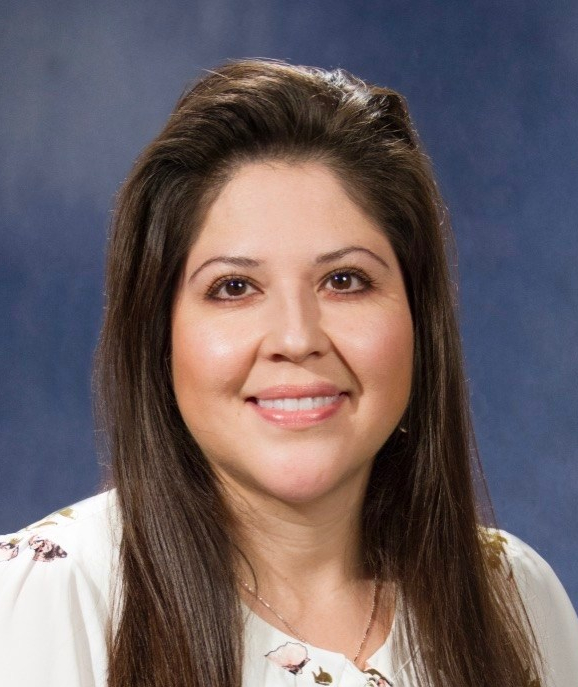
By Reina Hasting
¡Feliz Año Nuevo! Happy New Year! It’s that time of year again when many of us enter the new year with resolutions in mind. The new year offers a great opportunity for reflection and goal setting. My reflection has caused me to set goals related to health and wellness, something that is common at the top of the list for New Year’s resolutions.
It’s also common for some to falter in their New Year’s resolution after the first month or so. For those of us who fall under that category, the reasons can vary. Sometimes it’s because of changes in our schedule or unexpected life events — things happen. Or maybe the goals are unrealistic.
Some jobs require setting goals for work that are SMART: specific, measurable, achievable, realistic and time-bound. The same analogy can be used for New Year’s resolutions too. Let’s say for example, I am an adult who does moderate-intensity aerobic activity (anything that gets your heart beating faster than normal) about three times per week for a total of 150 minutes.
According to the U.S. Department of Health and Human Services Physical Activity Guidelines for Americans, it is recommended that we also include at least two days of muscle-strengthening activities to our 150 minutes of moderate-intensity activity every week.
Therefore, I need to incorporate more muscle-strengthening activities (when the muscles work harder than usual) in my weekly routine. This will be my New Year’s resolution, which will be a SMART goal by making it:
Specific. Instead of just saying I am going to do more muscle-strengthening activities, I will be more specific and say I will add muscle-strengthening activities for all the major muscle groups (legs, hips, back, chest, abdomen, shoulders and arms) in the mornings two days per week.
Measurable. I can use a fitness device and/or a workout journal to keep track of my exercise. This way there is a record of my activities to know if I am getting stronger over time.
Attainable. I already have an aerobic exercise class three days a week that I have been doing for years. Scheduling some muscle-strengthening activities should be manageable. I can schedule it on the days I don’t have my aerobic class. I can see if a friend or family member wants to join me, too, as adults are more likely to participate in physical activity when they are supported by others.
Relevant. This is relevant to my larger goal of living a healthier life so I can lower my risk of diseases like Type 2 diabetes and some cancers, control blood pressure and attain/stay a healthy weight, boost my mood and improve sleep.
Time-bound. I choose to have this goal for this coming week. This is something new for me so looking at it weekly makes it easier for me to commit and be successful. Next week is a new week with a new goal that can be the same or adjusted.
The above plan is just an example for one person’s situation. Plans will vary person to person as we have our own habits and physical state. Whatever resolution you may have, the important thing is to find something that works best for you.
Don’t be afraid to try something new because it could end up being something that you will love to do for as long as you can. If I had never tried a Zumba Fitness class 12 years ago, I wouldn’t be here today still wanting to teach it and writing this column. A decision can be life changing.
Check out the following opportunities:
• UAF Community & Technical College offers more than 40 one-credit recreational semester-long classes and you don’t have to be in a degree program to register. You can check out their catalog at www.ctc.uaf.edu/programs/recreation or call 907-455-2800 for more information
• Your local Cooperative Extension office offers a variety of workshops. Call 907-474-5211
• Your local gyms and fitness instructors. Most offer the first facility visit or class for free.
Reina Hasting is a coordinator with Extension’s Family Nutrition Program, which is administered by the University of Alaska Fairbanks Cooperative Extension Service in cooperation with the U.S. Department of Agriculture. She can be contacted rhhasting@alaska.edu or 907-474-2437.
