By Reina Hasting
In communities across the United States, a quiet but potent crisis continues to unfold: the opioid epidemic. In Alaska, the crisis has proven particularly severe, demanding a comprehensive public health response.
Although national trends have recently shown a decline in overdose deaths, Alaska has continued to see increases. Understanding the situation can help us unite with an effective response. Part of that response is the widespread availability of naloxone and the training to use it.
The latest numbers from the Centers for Disease Control and Prevention show a continued decline in U.S. opioid overdose deaths, with a drop of roughly 34% between 2023 and 2024. But in Alaska, we’re not seeing that same success yet.
According to preliminary data shared on Oct. 24, 2024, by the Alaska Department of Health, overdose deaths in the state increased by over 40% between 2022 and 2023, with the vast majority of these fatalities linked to fentanyl. Another source from the CDC states a predicted percent change of -14.4% for drug overdose deaths in Alaska from 2023 to 2024. It’s a predicted improvement with room for more.
Opioids are a broad class of drugs that interact with the body’s opioid receptors to produce a sense of pain relief and euphoria. These drugs range from prescription pain medications like oxycodone and morphine to illegal substances such as heroin and synthetic opioids like fentanyl.
Fentanyl has become a major concern. It’s the driver of the current crisis, not only because of its incredible strength, which can be about 100 times stronger than morphine, but also because of how it is distributed.
According to the United States Drug Enforcement Administration, a major concern is that fentanyl is often found disguised in counterfeit pills or secretly mixed with other street drugs like cocaine, heroin and methamphetamine. This deceptive practice is leading to a rise in accidental overdoses, as users may not even know they’re consuming this deadly substance. The agency warns that 42% of fentanyl-laced pills contain a lethal dose and that drug traffickers operate on a large scale, distributing fentanyl by the kilogram, a dose with the potential to kill 500,000 people.
The continuously rising number of fentanyl seizures by the Alaska Department of Public Safety is a reminder that this dangerous drug is still prevalent in our state, demanding attention. Empowering individuals with the tools to save a life is a critical strategy.
The powerful effects of opioids on the brain can lead to strong dependency, making it incredibly difficult for individuals to stop using them. This makes the crisis a public health challenge that requires a compassionate and comprehensive approach. Becoming more informed about what we can do as community members can make a difference.
A life-saving medication that can reverse an opioid overdose is at the forefront of this effort is naloxone. Alaska has made progress in making naloxone more accessible. Through a statewide medical standing order, the medication is available to anyone without a personal prescription, a crucial legal framework that enables a swift response in an emergency.
Numerous resources and training programs are available to the public to ensure that this medication is not just available, but that people know how to use it.
See below for resources:
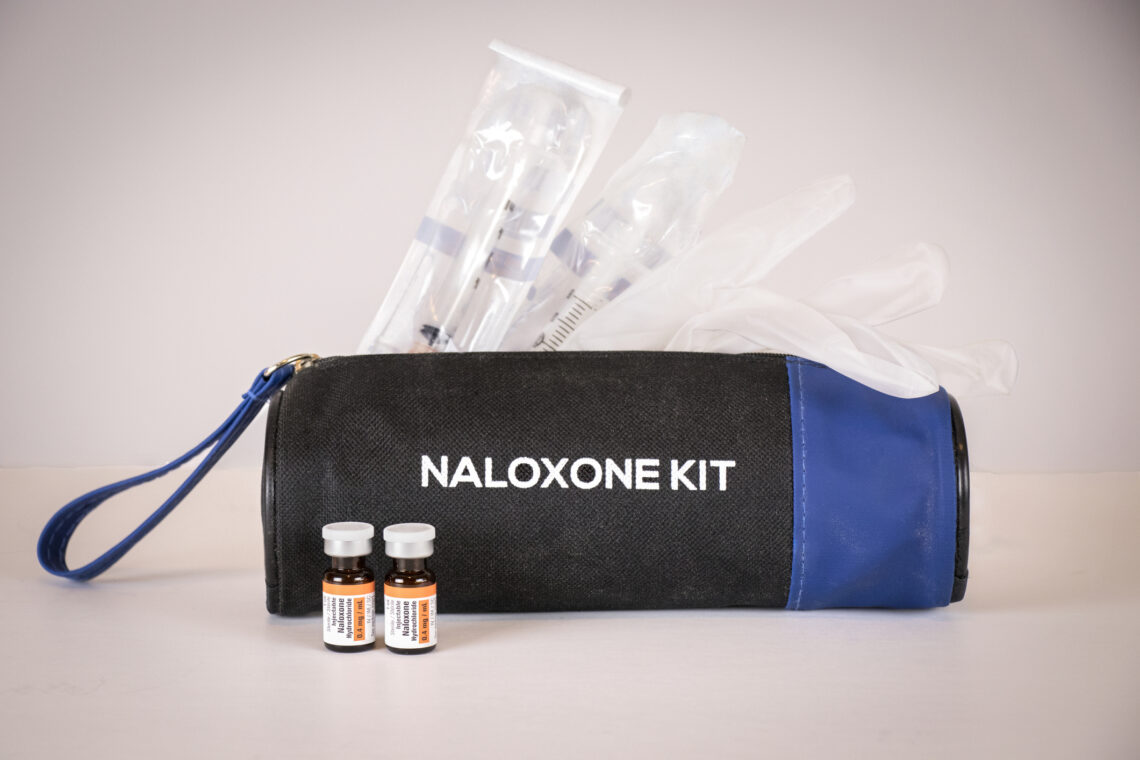
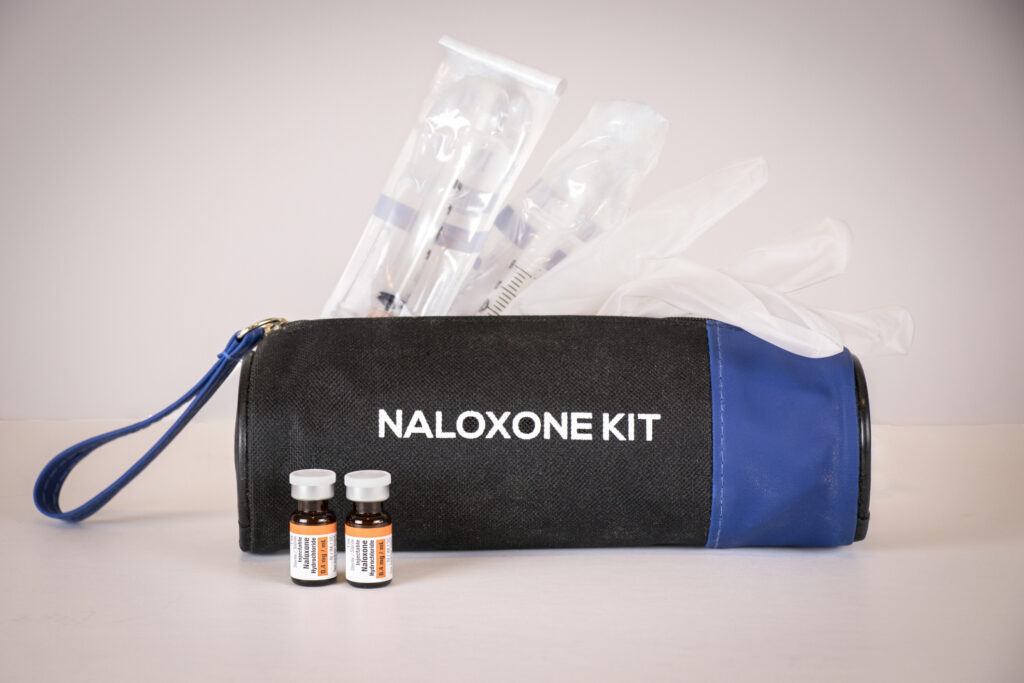
• The Alaska Department of Health and its partners, such as Project HOPE, have created a network for distributing naloxone kits, often for free. These kits typically contain two doses of naloxone nasal spray, gloves, and a face shield. Training is straightforward and often available online (health.alaska.gov/en/services/project-hope-get-naloxone).
• The iknowmine.org website, an initiative of the Alaska Native Tribal Health Consortium, provides a brief online training and knowledge check. Upon completion, individuals can order a free kit to be sent directly to them.
• The American Red Cross offers a free online course, “First Aid for Opioids Overdoses,” that teaches individuals how to recognize and respond to an opioid overdose, www.redcross.org/take-a-class/opioidoverdose.
Reina H. Hasting, who has a master of public health degree, is a program manager with the UAF Cooperative Extension Service’s Investing in Our Neighbors project through the NIFA Rural Health and Safety Education Program. You can reach her at rhhasting@alaska.edu and 907-474-2437.
