By Art Nash
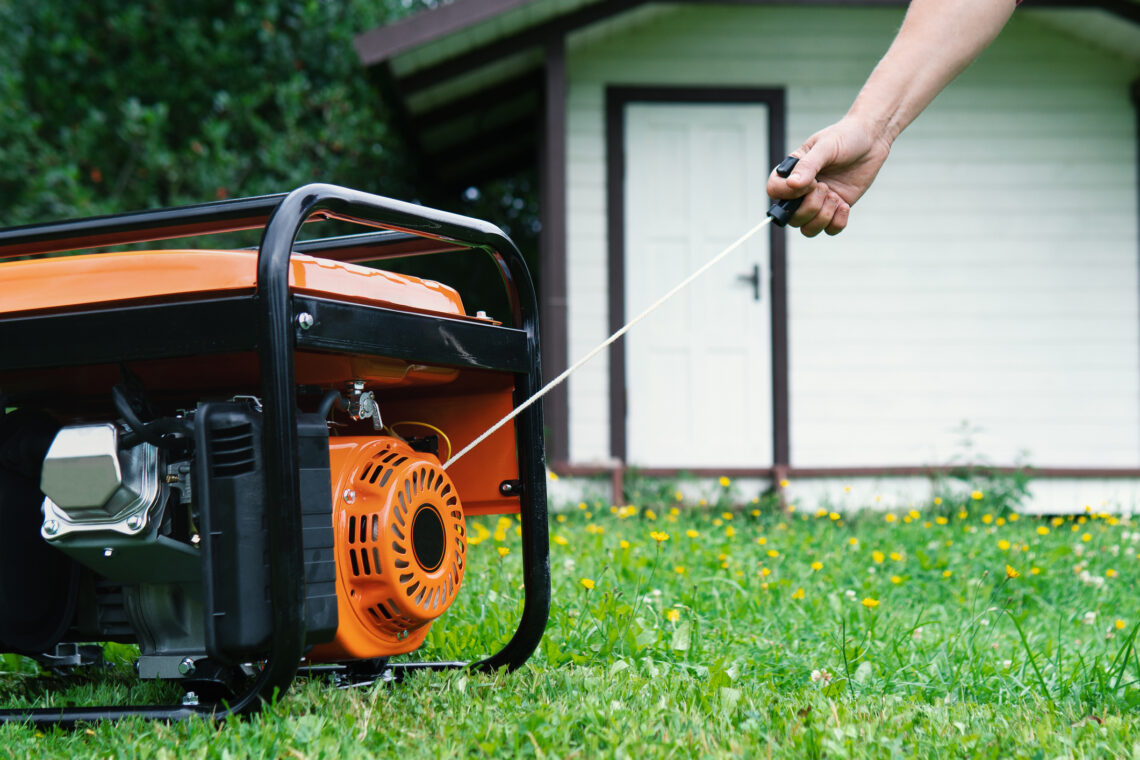
Go to a big box or hardware store in Fairbanks during and just after a major storm knocks down powerlines, and you may see from empty shelves that generators are often in high demand for lighting, cooking and heating. We’ve seen a few late fall slush-turn-to-snow events in Fairbanks, and parts of the borough have been out of power for days.
Getting a generator before it’s needed (or a storm is forecast) allows you to shop for one that best fits your needs and lets you practice operating it before a major storm hits. Due to their heavy power usage, you might defer drying laundry or using a broiler oven during an outage. Many people exclusively use electric space heaters, microwaves, hot pots, etc., until the electricity comes back on.
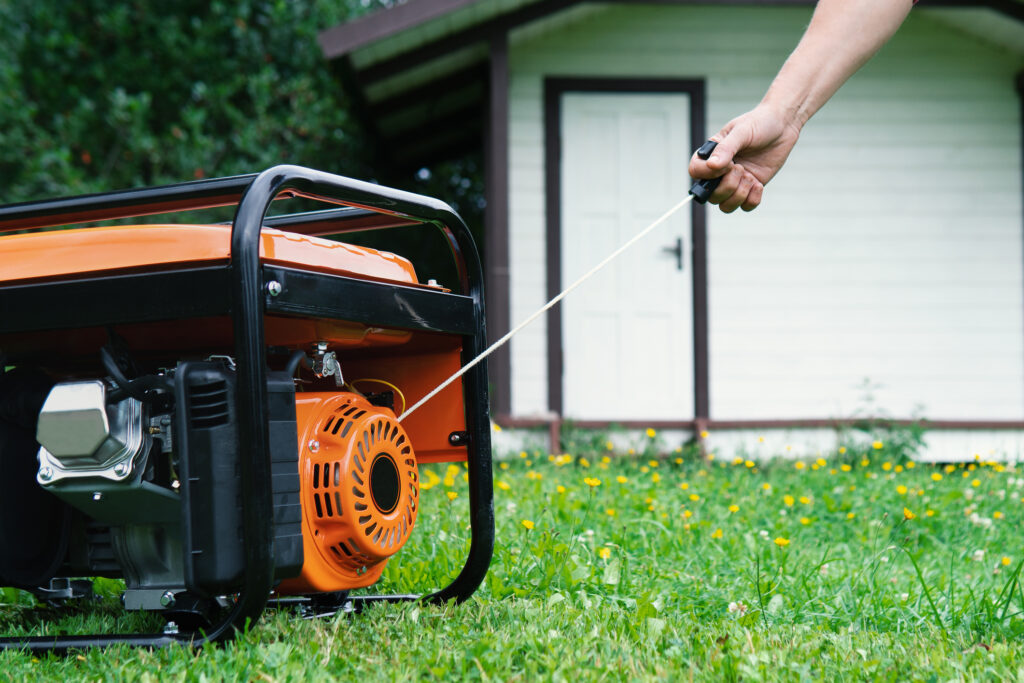
One thing to note is that some of the newer appliances may be “digital” and sensitive. In that case, you may want a generator pushing out smooth electrical waves, generally listed with an “i” (inverter) before the number of watts to designate pure, or “clean” sine wave output. Those sold without an “i” typically are cheaper and put out power in modified sine waves, which work fine for nondigital appliances that use heat-resistant coils or have compressors without circuit boards.
Keeping your fuel in order is important. Gasoline should always be stored in red containers, and diesel may be in blue, yellow or green containers depending on how refined it is or the grade. Label containers with the correct fuel type, note if two-cycle oil was added and the date it was filled. The latter is important as stored gasoline should be kept in a cool, dry location to help it from becoming “stale,” or more difficult to ignite.
Additives to prevent the growth of microbes in diesel fuel and water emulsifiers to manage moisture in fuel containers may help with long-term generator fuel storage. Many people rotate their fuel every six months to keep a fresh supply.
Most of all, only use the type of fuel that the generator was designed for. A gasoline generator will not run on diesel fuel, and running a diesel generator on gasoline is likely to result in costly mechanical damage. Note that some generators also operate off natural gas or propane.
There are many options for crisis energy generation on the market. For small applications, like keeping a refrigerator or freezer running or charging phones and other devices, a small power station may do the trick. Some units include solar panels to charge the batteries and extend their run time. They can be charged at freezing temperatures (32 degrees) or above without harming the units, and some can be utilized down to around 15 degrees.
Most generators can provide power to run several 110-volt appliances. In general, they generate only as much power as the connected appliances demand; yet older models may not have this regulation, so you will want to count watts and try not to operate too many appliances simultaneously that get you up to the capacity threshold. Larger generators, such as 5,000 watts or above, can provide 220-volt power — typically needed for well pumps, water heaters and oven elements.
Wiring a dedicated panel right to the main house circuit panel with a transfer switch is worth the investment for some homes. If you do not have a dedicated panel, remember to have enough extension cords to reach appliances such as refrigerators and freezers and the generator sockets with the properly configured plug head/blades. No matter how long or short your cords are, always run your generator outside and away from outer vents.
UAF Cooperative Extension Service energy specialist Art Nash can be reached at 907-474-6366 or alnashjr@alaska.edu.
