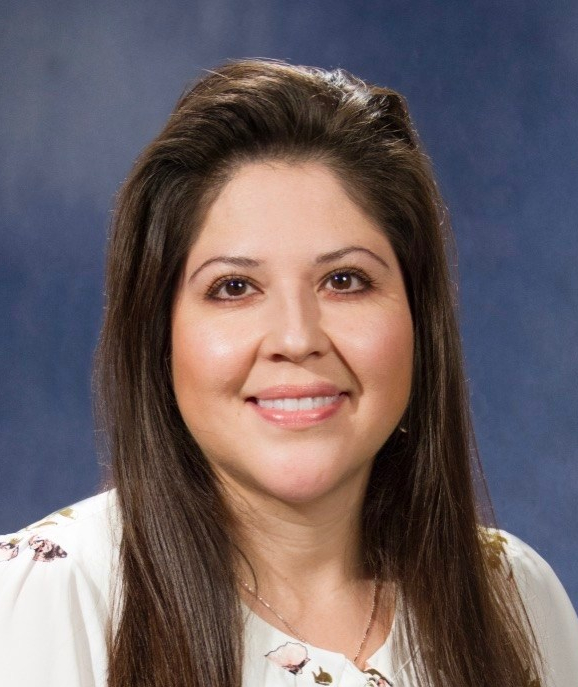
By Reina Hasting
UAF Cooperative Extension Service
July is Bebe Moore Campbell National Minority Mental Health Awareness Month, also known as (Black, Indigenous, and People of Color) BIPOC Mental Health Month.
On June 2, 2008, according to Mental Health America, Congress formally recognized Bebe Moore Campbell National Minority Mental Health Awareness Month to bring awareness to the struggles that underrepresented groups face in regard to mental illness in the United States, Read more about it at https://mhanational.org/bebemoorecampbell.
There are many awareness months that highlight things we should be aware of every day, but they serve as a good reminder to learn more. For example, I’ve learned something many minorities have in common is historical trauma, which can affect mental health and lead to a cycle of generational trauma.
According to the Administration for Children and Families, “Historical trauma is multigenerational trauma experienced by a specific cultural, racial or ethnic group. It is related to major events that oppressed a particular group of people because of their status as oppressed, such as slavery, the Holocaust, forced migration, and the violent colonization of Native Americans.”
These events happened a long time ago, so how are they still impacting us today? While many may not personally experience historical trauma, the effects of those events are still impacting today’s generation. That, in turn, affects us as a community. Effects from trauma can cause a person to experience poor overall physical health, mental health and behavioral health.
Parenting skills can be affected, and where children repeat learned behavior, the cycle of generational trauma can continue. If a person survives a traumatic event, it doesn’t necessarily mean the effects of that trauma have ended. It can still be passed down from generation to generation. Basically, we can inherit trauma and its effects from our ancestors. It won’t stop until the trauma is addressed and the cycle is broken.
As adults, we are automatic role models to children. They look up to us. How we handle stress can be one way to help break this cycle of generational trauma. As many conditions are associated with stress, stress management and resilience-building skills are important to our health. Here are some tips from the National Institutes of Health.
Recognize and counter signs of stress. Your body sends signals that it’s stressed, including difficulty concentrating, headaches, cold hands, tight muscles, a nervous stomach, clenched teeth, feeling on edge, fidgety, irritable or withdrawn. Knowing how your body communicates can help you deal with stressful moments. Learn to not only recognize but also to name these feelings, either to oneself or to a friend. Then, take action to counter their effects. For example, deep breathing, stretching, going for a walk, writing down your thoughts and taking quiet time to focus can help induce relaxation and reduce tension.
Take time for yourself. Make taking care of yourself a daily routine. It’s not selfish or self-indulgent — and it might require saying “no” to requests or prioritizing yourself along with your responsibilities. Start with small changes in your routine to help build resilience to stressful circumstances. Work in time to exercise, eat healthy foods, participate in relaxing activities and sleep. In fact, a regimen of exercise, which may include yoga or meditation, can be very important when feeling stressed. Also, take time to notice the “good minutes” in each day or to do something that you enjoy, such as reading a book or listening to music, which can be a way to shift your attention and focus on the positive rather than the negative.
Try new routines. From scheduling bath and bedtimes to blocking off time to plan and prioritize tasks, additional structure can provide a daily framework that allows you to attune to your body’s signals. Then, you can take steps to potentially manage stress earlier than you once did.
Stay connected and make new friends. Stay in touch with family, friends and groups in your life — technology makes this easier than ever. Having or being a person to talk with can be reassuring and calming. Using video features can enhance the connection in telecommunication or online communications for some people.
See problems through a different lens. Experts call changing the way we think about and respond to stress “reframing.” View sitting in traffic or around the house as an opportunity to enjoy music, podcasts or pleasant views. Reduce anger in response to rude or aggressive behavior by imagining what might be happening in that person’s life. Keeping situations in perspective is an important way to boost stress resilience. Other steps include positive thinking and creating plans before you begin to resolve problems. You can practice reframing and get better at it over time.
Seek help with problems. Many people experience the same day-to-day strains related to caregiving, relationships, health, work and money. Look to friends and family, as appropriate, or other trusted individuals or resources for tips and information.
Talk to a health professional if stress is affecting your well-being, you feel you cannot manage the stress you’re experiencing, or stress has caused you to engage in or increase substance use. Seek appropriate care if stress is harming your relationships or ability to work. If you have suicidal thoughts, call the National Suicide Prevention Lifeline at 1-800-273-TALK (8255). Lifeline chat is a service available to everyone 24 hours a day, seven days a week.
If you need help locating a mental health provider, the Substance Abuse and Mental Health Services Administration (SAMHSA) offers a site that can assist you at https://findtreatment.samhsa.gov. People who have experienced traumatic stress (directly or indirectly experiencing life-threatening and dangerous events) should find a treatment provider who practices trauma-informed care — see https://go.usa.gov/xvydm for details.
In times of disasters and other sorts of emergencies, the National Disaster Distress Helpline (Call 1-800-985-5990 or text “TALKWITHUS” to 66746) can provide crisis counseling, emotional support and referrals to care related to disasters and public health emergencies.
In Alaska, we also have the Careline where you can call anytime, toll-free: 1-877-266-4357 (HELP) or text 4help to 839863.
There’s also the 988 Suicide and Crisis Lifeline https://health.alaska.gov/dbh/Pages/Prevention/988/default.aspx
Reina Hasting is a coordinator with Extension’s Family Nutrition Program, which is administered by the University of Alaska Fairbanks Cooperative Extension Service in cooperation with the U.S. Department of Agriculture. She can be contacted rhhasting@alaska.edu or 907-474-2437.
