By Adrian Kohrt
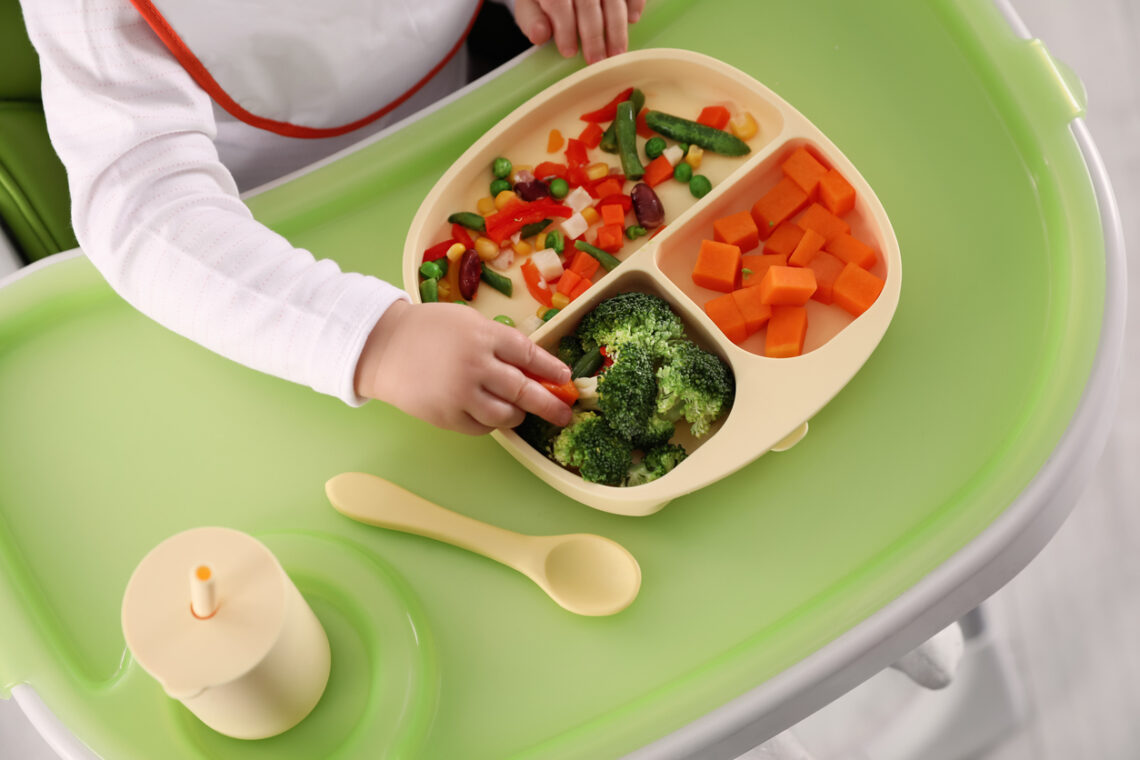
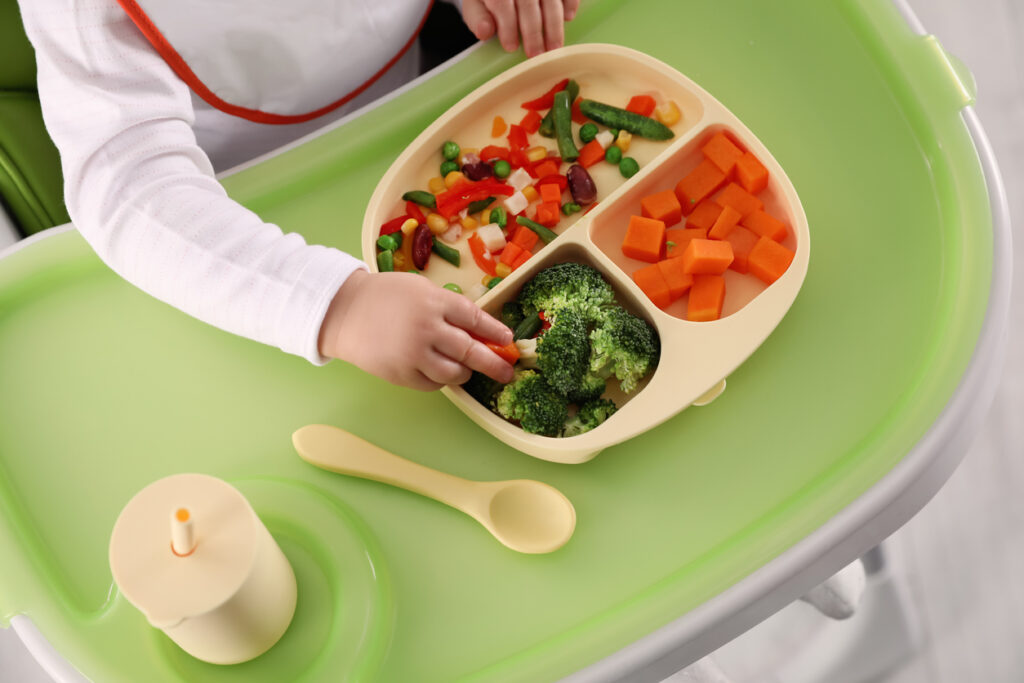
Good nutritional meals are important for young children to help them grow strong and healthy. Children need a variety of nutritious foods every day for brain development and healthy growth. Eating experiences when children are young can also affect how they eat when they get older. That is why it is important to feed young children healthy foods, including a variety of vegetables and fruits. Getting children to eat healthy foods can sometimes be very challenging, as they can be very picky, not wanting to try new foods, new textures or different colors.
The following are some suggestions to encourage your children to try new foods and experiences.
Make sure to have a routine when serving meals. Ensure that snacks and meals are served at the same time each day. Having snacks at a designated time is important to avoid grazing between meals, which allows the body to develop real hunger.
When putting together your meals for the day, include at least one food your child knows well and likes. It is important to introduce new foods without the pressure to eat them gradually. It will generally take 13 to 15 times of reintroducing a food before children will eat it. Be patient and steadfast. By gradually reintroducing new foods, your children will get used to them.
Having rules about eating new food is helpful. When teaching young children about nutrition in the schools, we utilize these two rules:
• Do not say bad things about the new food
• Always try one bite
These rules permit the children to try foods, but then stop eating them if they do not like them. After they have tried the new food, praise them for a job well done.
One of the best ways to get children to eat new foods is to involve them in meal decision-making. Take your children with you to the store and let them pick out a new fruit or vegetable. When cooking meals, include your children in age-appropriate jobs so they feel they have participated in meal preparation.
Be a good example for your children by eating the foods you want them to eat. When you are eating, be sure to let them know how much you enjoy the food. This will encourage them to try new foods.
Drinking too much during the day can fill children up so they are not hungry for their meals. Limit the amount of juice children drink during the day. Juice is full of empty calories and a lot of sugar. Also, limit milk. The best thing for children to drink is water.
It is best to avoid food struggles with your children. Do not use food to reward accomplishments, good behavior or punishment. Food should be eaten as meals and snacks at designated times without the attachment of a reward.
Many young children are sensitive to mixed or overly seasoned food. Keep foods tasty and simple. Do not make spicy food or overly spiced foods. Put vegetables such as carrots, broccoli, cauliflower and spinach into a food processor and grind until they are in small chunks. You can include this blend in meatballs, spaghetti sauce or meatloaf. This is a sneaky way to include vegetables in your children’s menus.
With time and patience, children should learn to overcome picky eating, not only for their physical health but also for the sense of accomplishment one has from eating a wide variety of foods.
Adrian Kohrt is a family nutrition coordinator for the Cooperative Extension Service, a part of the University of Alaska Fairbanks, working in cooperation with the U.S. Department of Agriculture. For questions, she can be contacted at amkohrt@alaska.edu or 907-474-7930.
