Summary
There have been concerns about rising prices, or inflation, taking over the purchasing power of consumers. Yet it depends on what basket of goods someone buys compared to their neighbor as to who inflation will hit the hardest.
By Art Nash
There have been concerns about rising prices, or inflation, taking over the purchasing power of consumers. Yet it depends on what basket of goods someone buys compared to their neighbor as to who inflation will hit the hardest.
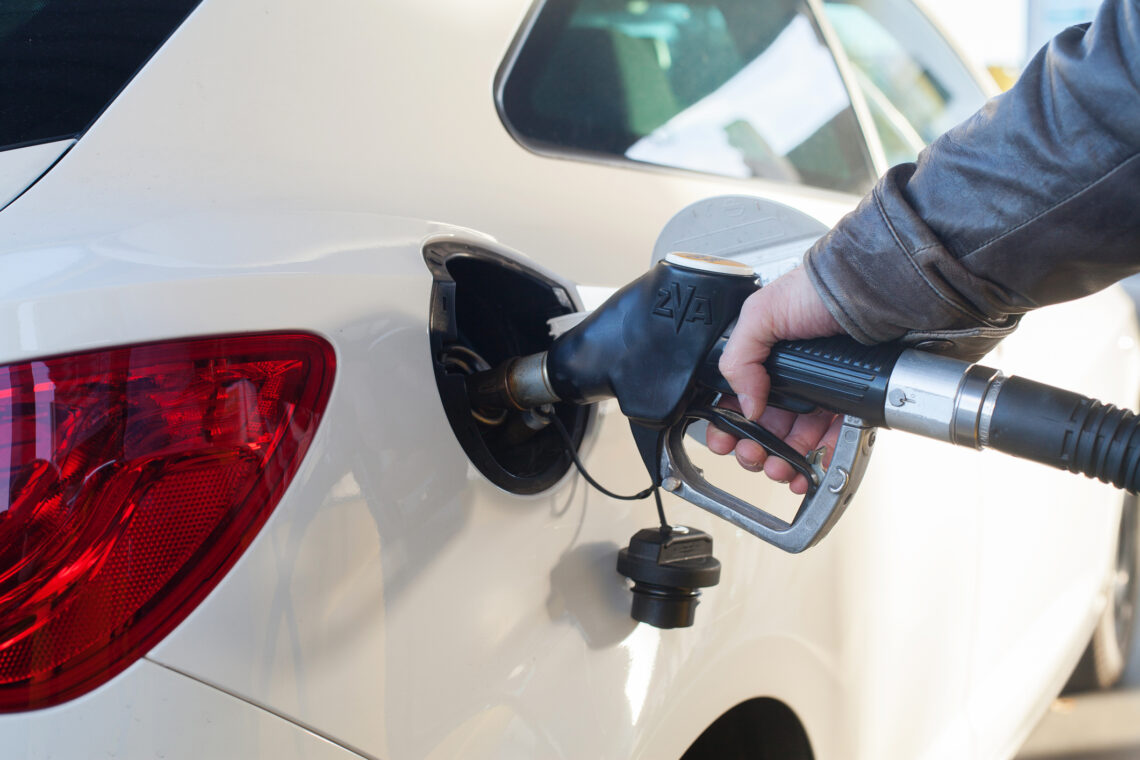
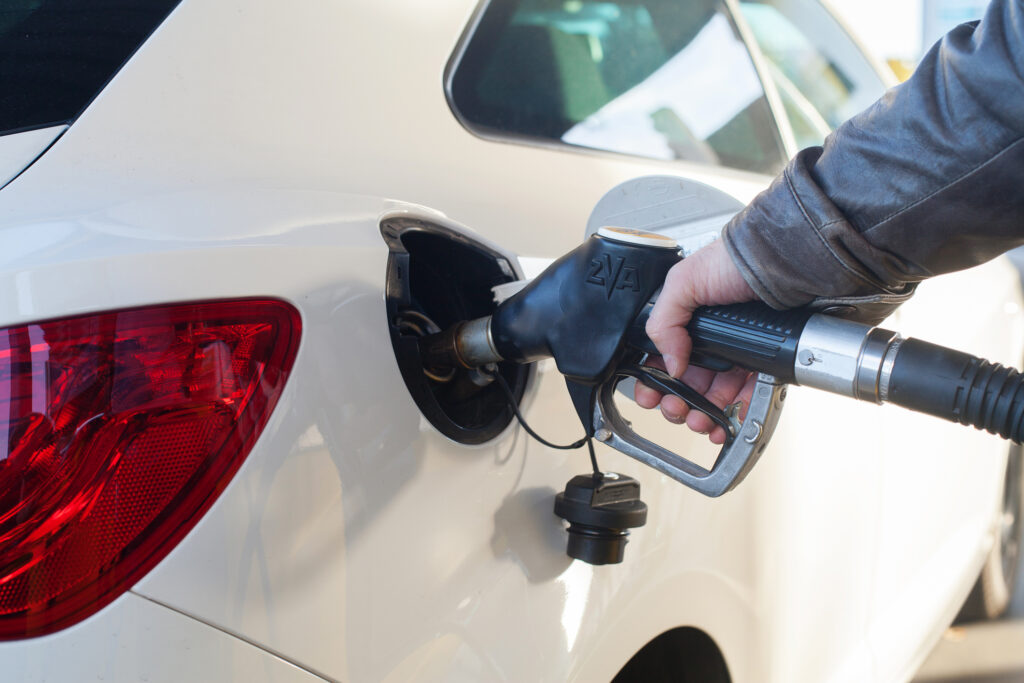
There is one product that most Alaska residents use daily, however, that may very well drop in price this spring or summer: transportation fuel. Currently, the price of a barrel of crude oil is just shy of half the cost that it was just over three years ago when it was running $119 per barrel. While anything over $100 per barrel is alarming to many, you may remember the pain at the pump in the summer of 2008 when the price peaked at $147 per barrel.
With the price of a barrel of oil heading south of $60, gas may continue to drop from the national (average) high for the last decade leading to $4 per gallon in 2022. A recent Kiplinger Letter estimated that in the near future, the average price of unleaded gas at the pump could dip below $3 per gallon.
Often, when oil dips under $50 per barrel it is alarming for oil companies. They may look at shutting down production sites (as the lower revenues often won’t cover costs).
With the new regime of tariffs being put into place, higher costs for other things may reduce demand for foreign goods as well as the fuel to transport them here. Reduced summer vacation travel to Alaska from foreign tourists because of visa concerns may also drop fuel usage and demand.
Yet a major factor in a drop in gas prices may come from the Organization of Petroleum Exporting Countries, as some nations of this cartel have increased how much oil they are producing. When oil demand falls and supply increases, gas prices drop in the short run and people may switch from alternative fuels or alter their plans. How low will the price of gas go for the next several months? It is hard to say with recent moves that can affect the demand, but also supply when other countries adjust their own oil output in reaction to OPEC.
The other wildcard can be a sudden disruption in transportation of crude oil to refineries, or distribution of refined fuel to gas stations and amounts stored in national reserve tanks.
For instance, even though two aircraft carrier fleets are patrolling the major bottleneck for world oil supplies from the Strait of Hormuz to the Suez Canal, there have been frequent attempts to slow or halt oil transports by nearby Middle East actors. Attacks and piracy in the last few years have clogged the flow of petrol.
That slowdown has cost companies around the world large amounts of revenue, which in turn is passed along to consumers.
When it comes down to it, how will all of these moving supply and demand elements affect your wallet? Well, for one, the Alaska annual budget for public goods and services sinks as oil prices decline (this includes the payout for the annual Permanent Fund Dividend check).
Yet specifically in terms of your fuel budget, we may know better soon when the U.S. Energy Information Administration gas projections come out. Depending on the extent you need to budget for near-term fuel expenses, the cost of gas per gallon could undoubtedly factor in this summer as to how far you travel, where you might go, or whether you possibly hang out locally for a “staycation.”
Art Nash is the statewide UAF Cooperative Extension Service energy specialist and can be contacted with energy, housing and radon questions/comments at alnashjr@alaska.edu.
