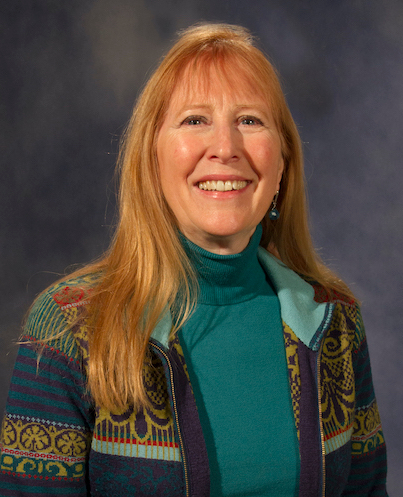
By Leslie Shallcross
The mounds of snow outside my windows and covering my roof can’t fool me, it’s spring and time to come out of Alaska hibernation. The warming temperatures and the quickly increasing daylight hours inspire irrepressible optimism and renewed energy. Don’t resist, it’s time to tackle your unfulfilled resolutions from January.
It is hard to get good statistics but it’s safe to say that many of us have resolutions focused on health — weight loss, diabetes prevention, eating better, exercising more, etc. If this includes you, March, which not only features the first day of spring, but is also National Nutrition Month, is a great time to launch the plans for a healthier you. It may already be April, but it’s never too late to start a healthier lifestyle. Consider some of the following ideas when jumping on your 2023 goals.
Before we talk about what to do and how to do it, it can help to remember why our health and nutrition habits make a difference. From before conception through old age, physical activity and nutrition are associated with health: healthy growth and brain development, increased longevity and reduced rates of dementia, as well as depression, heart disease, cancers, diabetes, high blood pressure, asthma and overweight. More than half of American adults have a lifestyle-related disease and over the course of the Covid-19 pandemic, the number of overweight 5 — to 11-year-old children increased from 36% to 45.7%. If these thoughts are not motivation enough, the best reason for eating well and moving more is that being healthy feels good!
Physical activity and nutrition recommendations for the best health outcomes have mostly stayed the same over the past several years, but many of us still haven’t managed to consistently follow the guidelines. There have been a few refinements worth noting in setting your health and nutrition goals.
Spoiler alert: Move more, eat lots of plant-based food.
The most general guidance for physical activity for adults says to achieve at least 150 minutes of moderate aerobic movement per week (approximately 30 minutes per day). This can be done in a lot of different ways, including from a seated position or in a swimming pool or walking at the grocery store. In addition, do muscle building exercises two to three times per week, such as free weights, calisthenics and/or exercise bands. One newer piece of advice is to try to move or stand up for a couple of minutes every 30 minutes. No more couch- or desk-potato! The damage to metabolism from sitting still for hours on end cannot be overcome even with the 30 minutes or more of daily physical activity.
Children and youth should have at least 60 minutes of moderate to vigorous movement every day. Get them involved in aerobic activities (dancing, walking, running, swimming, skiing), bone density-increasing activities (walking/jogging, jumping) and muscle-building activities like climbing or calisthenics. Younger children should simply be encouraged to be active as much as possible — they should be moving throughout the day and have planned activities that improve their coordination and strength.
Nutrition guidelines are pretty much the same for everyone, with a couple of interesting angles from the ongoing research.
While feeding babies natural mother’s milk (breastfeeding) has long been encouraged, a recent statement from the American Academy of Pediatrics, recommends that babies and toddlers can benefit from natural feeding for two years or more. Mother’s milk is the optimal nutrition for babies, supporting growth, brain development and the immune system. If it is not possible to breastfeed this long, aim for at least six months of exclusively breastfeeding, continuing with supplemental foods up to one year.
At the other end of the life cycle, seniors are encouraged to follow the Mediterranean diet or the MIND diet. Both patterns focus on healthy plant-based foods, healthy oils and limited saturated fats. Following the Mediterranean diet pattern has been associated with less chronic disease, including depression, heart disease, diabetes, arthritis and being overweight. Early and ongoing study results on the MIND diet show that individuals who ate most closely to the recommended pattern had less cognitive decline and their brains showed less evidence of Alzheimer’s disease.
The MIND diet was developed about seven years ago and includes specific recommendations for foods and food groups: six servings of dark green leafy vegetables, five servings of nuts, four meals of legumes, at least two servings of berries and poultry, at least one serving of fish weekly. Daily intake recommendations include three or more servings of whole grains and one or more serving of a vegetable other than dark green vegetables. Olive oil is emphasized, but less than 1 tablespoon of butter daily with weekly limits of five servings of sweets, four servings of beef, pork or lamb, one serving of cheese or fried foods.
For those between infancy and the golden years, a January 2023 study, suggested four food patterns that could lead to good health and help prevent disease. The core of each these patterns is an emphasis on plant-based food — whole grains, fruits, legumes, vegetables and nuts. An easy way to accomplish this is to make half of your meal or plate fruits/vegetables, a quarter whole grains, and a quarter lean proteins. Make your food choices as close to their natural forms as possible, as highly processed foods are associated with cancer and poorer health.
A final thought for your healthy food goals considers connections between your health and the health of the planet. Choosing more plant-based foods and fewer animal-sourced foods, eating local and reducing waste can benefit the environment and your health. Learning about where your food is grown and food production methods can help you make “healthy-for-all” choices.
For more information about healthy lifestyles or the recommendations in this article, contact Leslie Shallcross, MS, RDN. Leslie Shallcross is a registered dietitian and the Cooperative Extension Service Tanana District’s Health, Home and Family Development Agent. Contact her at 907-474-2426 or lashallcross@alaska.edu.
